The Whispering Dunes of Rub' al Khali: Arabia's Vast Desert Mystery
Venture into the unexplored heart of the Rub' al Khali, where sand dunes whisper tales of ancient caravans and secrets of survival in the harsh Arabian desert.
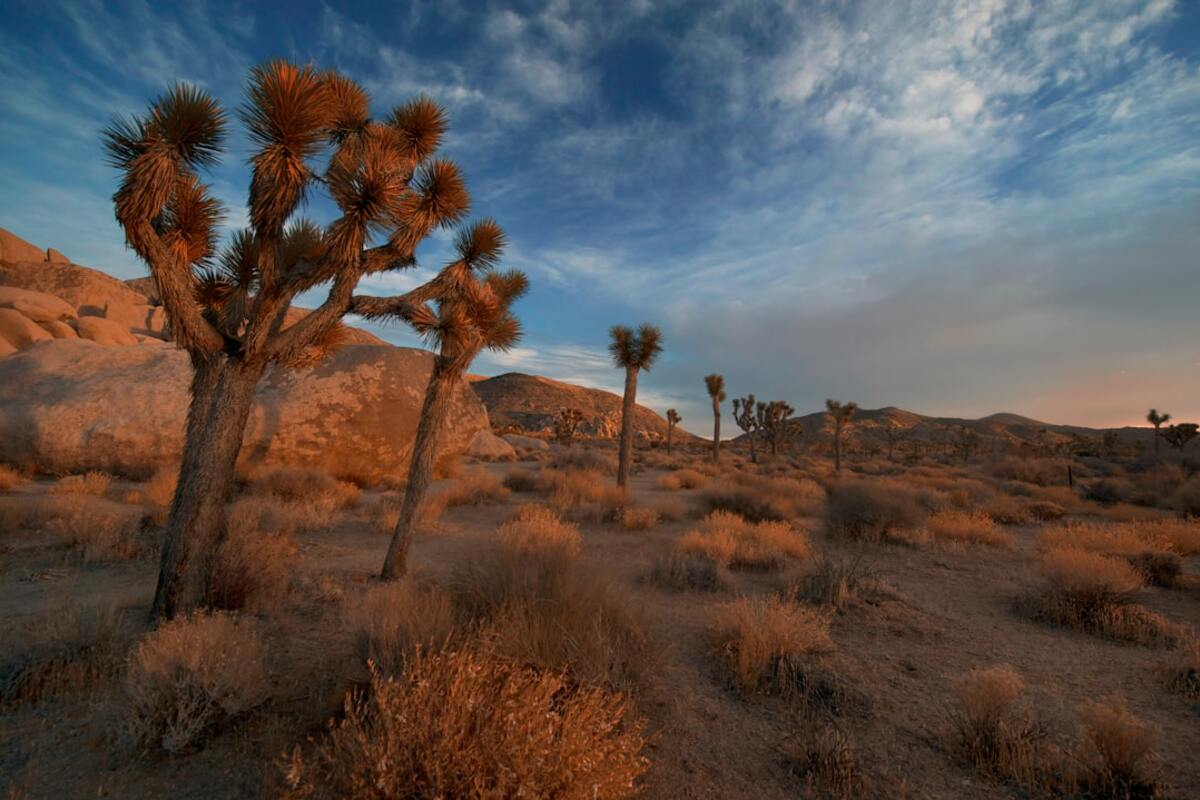
- Discover the ecological diversity hidden within the world's largest sand desert.
- Learn about the rich cultural history linked to ancient trade routes.
- Understand the modern challenges facing this vast and enigmatic landscape.
The Majestic Silence of Rub' al Khali
The Rub' al Khali, more poetically known as the 'Empty Quarter', stretches across parts of Saudi Arabia, Oman, the UAE, and Yemen. This expanse of golden sand, covering approximately 650,000 square kilometers, is the largest continuous sand desert in the world. Its vastness is only matched by its profound silence, where the wind whispers through towering dunes that reach heights of up to 250 meters.
Despite its barren appearance, Rub' al Khali holds a myriad of secrets beneath its sands. Historically, this desert was once a significant trading route for ancient caravans navigating the Arabian Peninsula. These traders left behind a tapestry of stories that have become part of the desert's mystique. The desert's name itself, 'Empty Quarter', speaks to the perception of an endless, uninhabitable void, yet it is anything but devoid of life and history.

Life Amidst the Sands
One of the most intriguing aspects of the Rub' al Khali is its hidden biodiversity. The desert hosts a surprising array of life, adapted to its harsh conditions. Species such as the sand cat, Arabian oryx, and several types of reptiles and rodents have evolved to withstand the extreme temperatures and scarcity of water.
Furthermore, the Rub' al Khali is home to unique plant species that have developed specialized adaptations to survive. For example, the desert rose, known for its stark, skeletal beauty, thrives in the arid climate by storing moisture in its leaves. This ability to endure exemplifies the resilience of life in one of the most inhospitable environments on earth.
In recent years, efforts have been made to study and preserve the delicate ecosystem of the Rub' al Khali. Scientific expeditions continue to uncover its secrets, and conservationists work to protect its native species from the impacts of climate change and human encroachment.
The Challenges of Modern Exploration
Exploring the Rub' al Khali today is a formidable undertaking. The desert's shifting sands pose a challenge to navigation, and temperatures can soar to over 55 degrees Celsius during the day, dropping drastically at night. However, for those who venture into its vastness, the rewards are unparalleled.
Modern explorers often rely on technology to guide their journeys, using GPS and satellite phones to ensure safety in this remote landscape. The desert's isolation offers an opportunity for introspection and a deeper connection with nature, free from the noise of the modern world.
The Rub' al Khali is not just a natural wonder but also a cultural treasure. It continues to inspire awe and fascination in those who dare to traverse its dunes, carrying forward the legacy of the traders and explorers who once walked its sands.
Table: Key Features of Rub' al Khali
| Feature | Description |
|---|---|
| Size | Approximately 650,000 square kilometers |
| Location | Spans Saudi Arabia, Oman, UAE, and Yemen |
| Dune Heights | Up to 250 meters |
| Temperature Range | -1 to 56 degrees Celsius |
| Ecology | Home to Arabian oryx, sand cats, desert roses |